
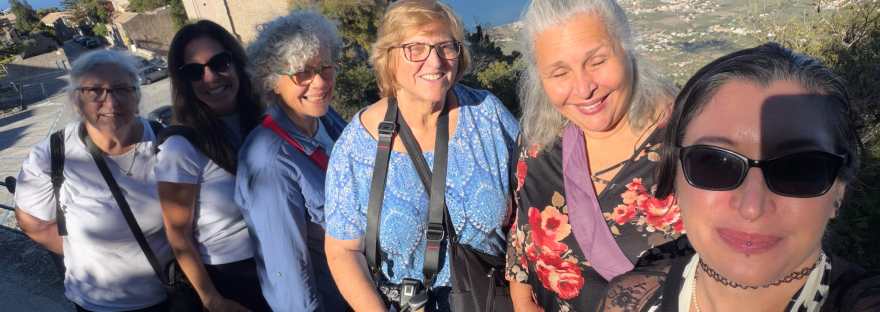
I recently spent seventeen days in Sicily, mostly touring with my sisters and cousin. We attempted to fit “everything” into the whirlwind itinerary. We saw incredible sights and met cousins from my grandmother’s homeland. The cannoli and variety of caponata in different regions delighted us each day. Although this trip was a huge bucket list check-off, I had my own writerly goals for my novella series, The Eyes of the Strega. Capturing the essence of Sicily became my mission. I needed this field trip.
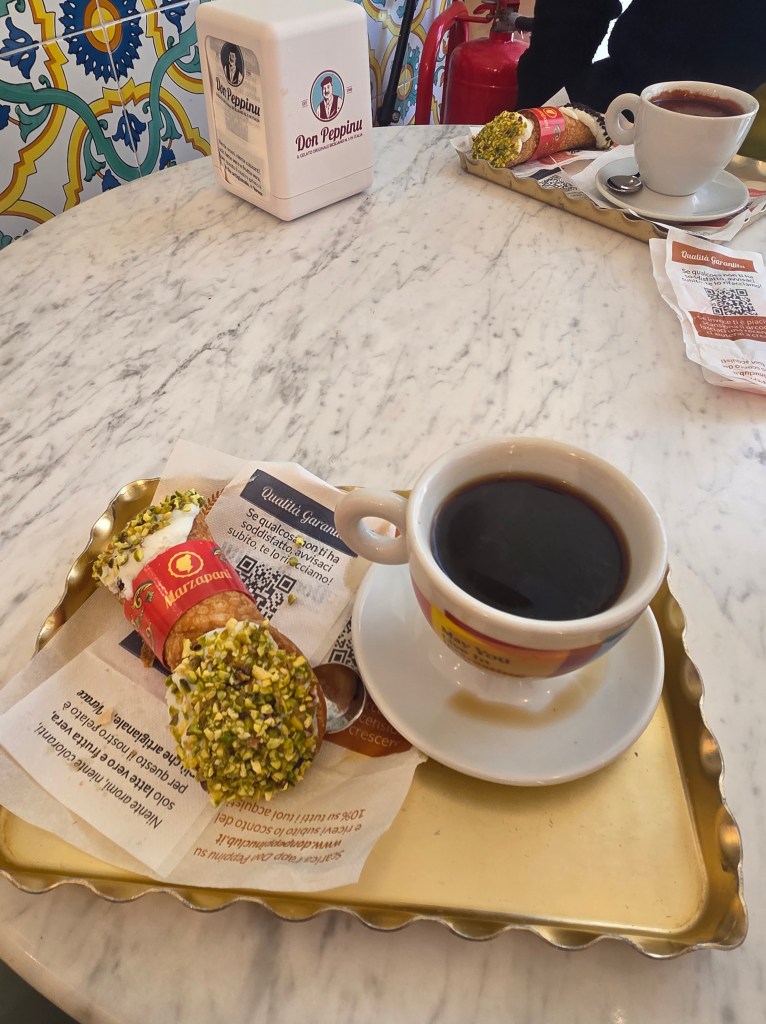
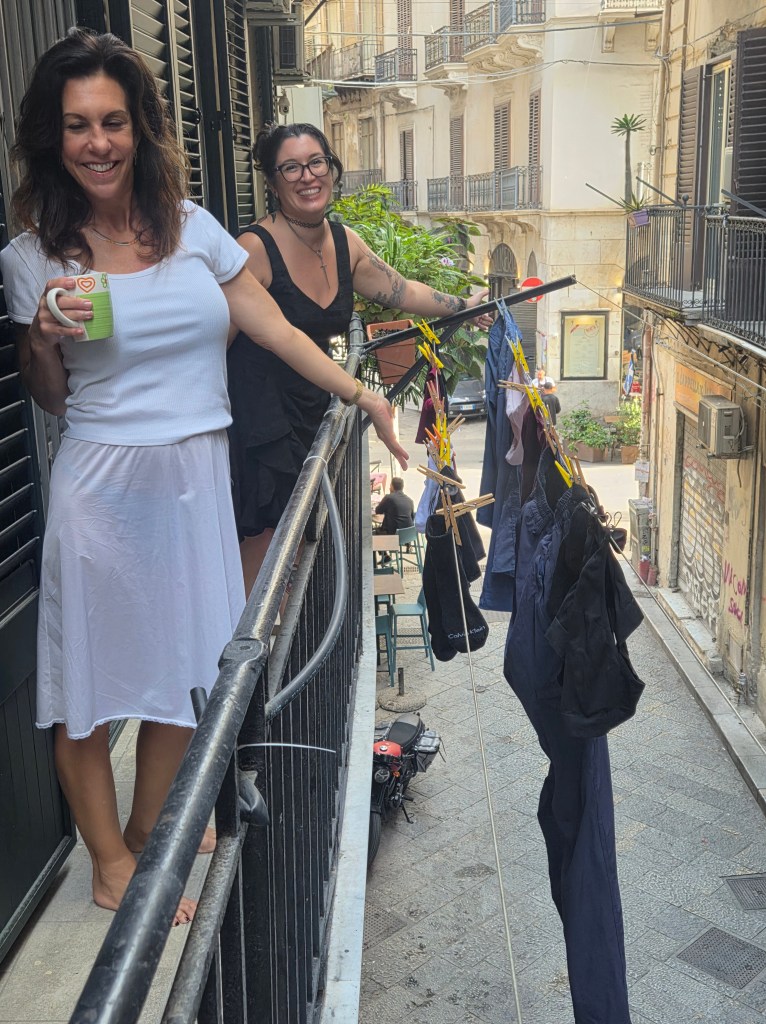
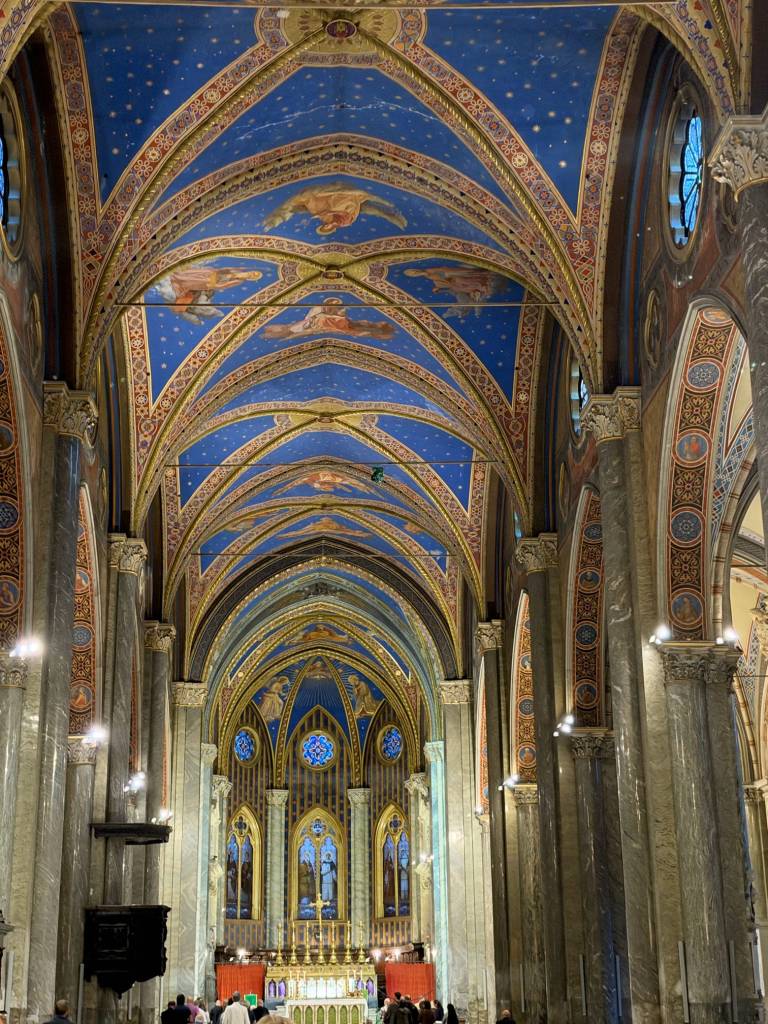
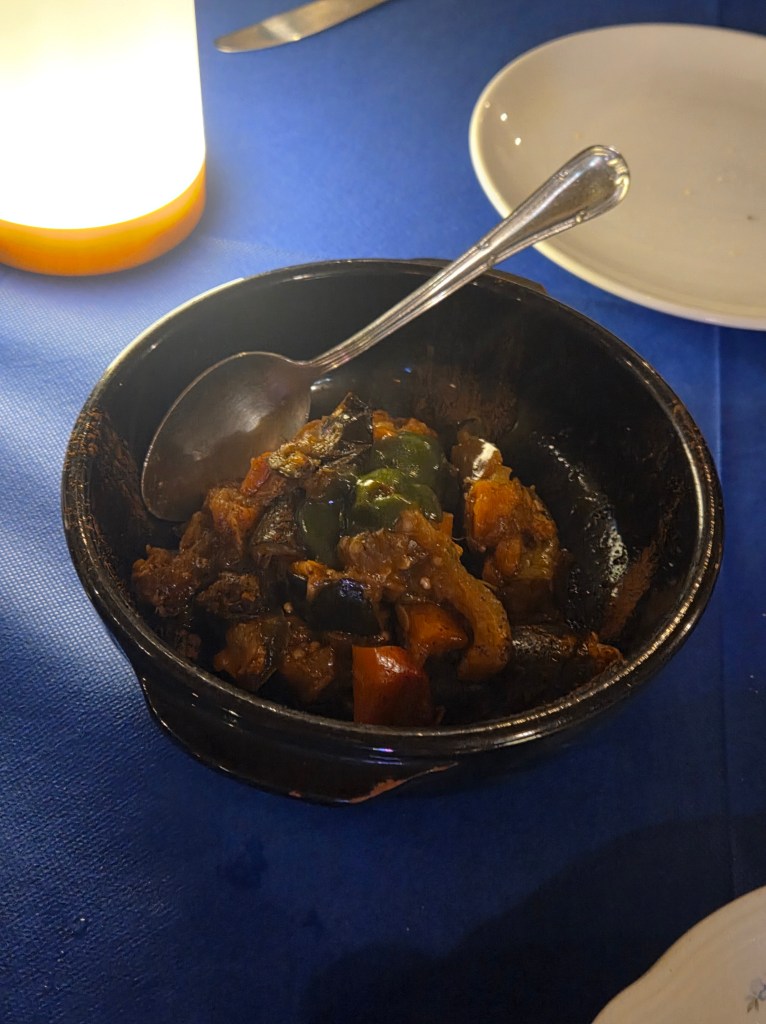
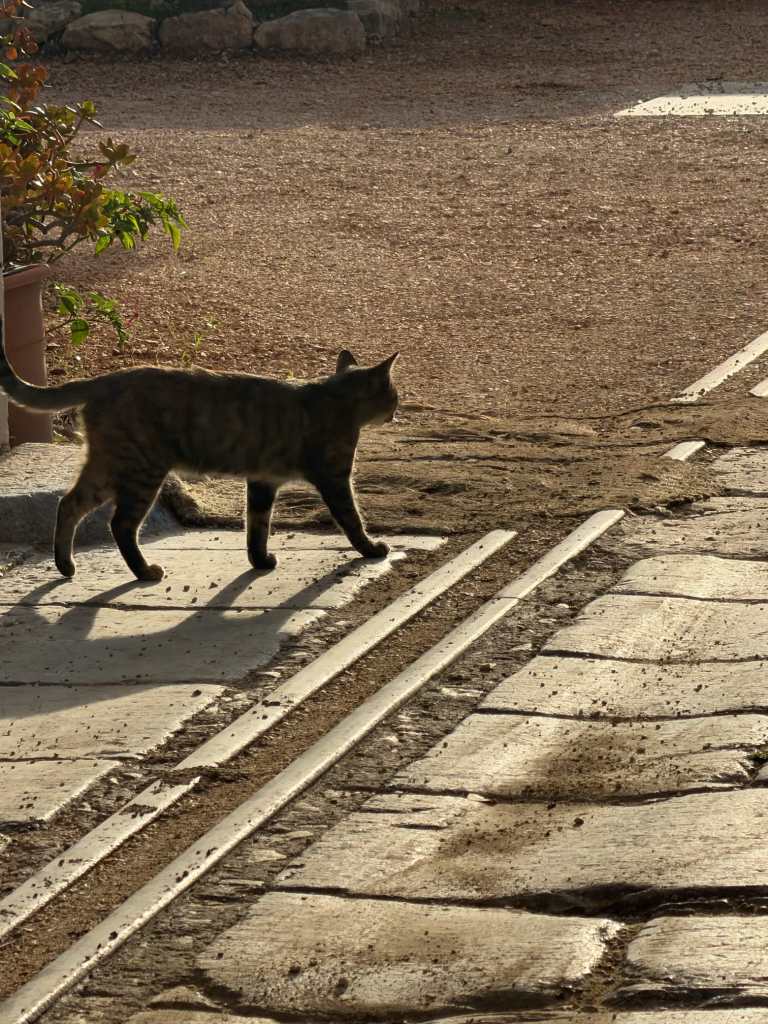
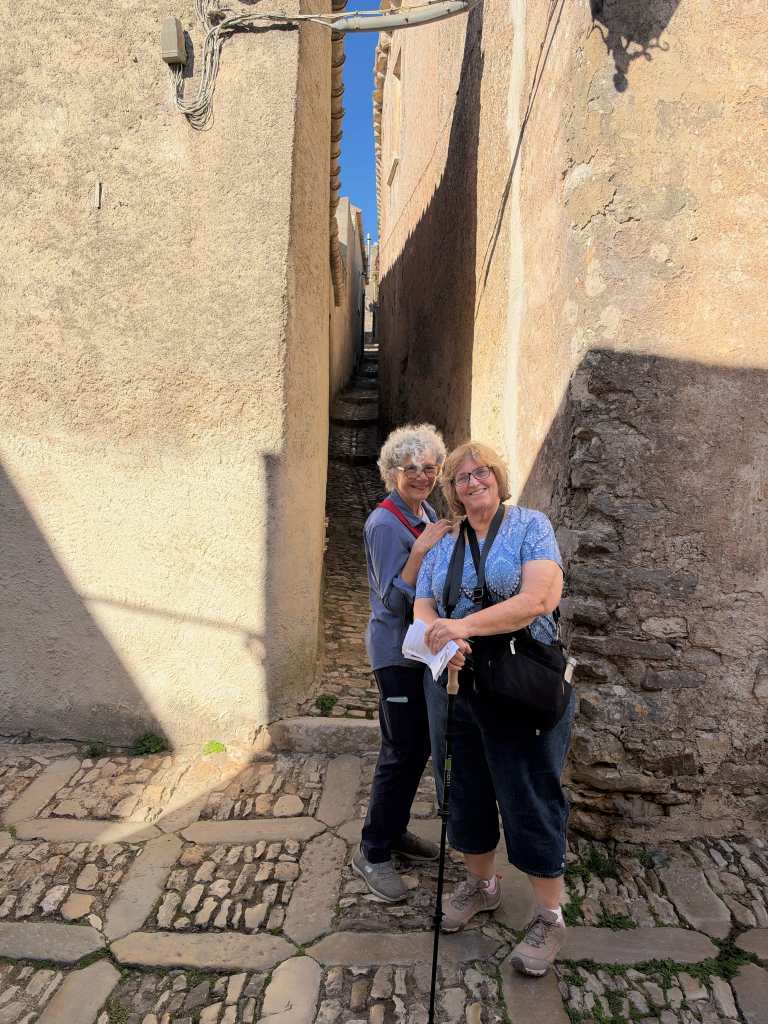
The Eyes of the Strega begins in Sicily during the early 1800s, before plumbing, electricity, and the revolution that united Italy’s kingdoms into a country. My story needed me to depict the way people lived, worked, and believed while history unfolded around them. Today’s Sicily boasts paved highways and modern amenities, yet old world reminders linger in the neighborhoods and countryside. I walked narrow stone streets, opened heavy doors, heard echoes of shouts and songs bouncing off the side-by-side stone homes and store fronts. The wash hung off the balconies (we hung our laundry as well), cats prowled, and the smell of fish, fermenting fruit, and crowds of people gathering in markets lingered everywhere.
As with most writing projects, the internet offers information, maps, recipes, photographs—hundreds of rabbit holes to get lost in. But scrolling websites and Wikipedia and highlighting printed documents fall short of getting to the core of place, plot, and characters. This writer really needed a field trip.
I learned this lesson years earlier with a different project—my historical fiction middle grade series, Becoming America’s Stories. These stories take place in the Little Italy neighborhood of Manhattan’s Lower East Side, 1911. Immigrant families flooded the tenements, and labored on the docks, streets, and factories. While progressive ideas and proposals changed the course of the country, first-generation American children straddled old and new world traditions and values.


Lucky for me, Little Italy was a train and subway ride away from my suburban home on Long Island. I walked the streets, finding the addresses my characters could live at as well as the probable school, park and church locations. I paced out the distance to the fictional bakery and tested if it was feasible for my ten-year-old protagonist to run to the Henry St Settlement House and plead for a nurse to help her mama deliver a baby when the midwife advised to get a priest. Although not permitted in the basements of the stores, I peered into many opened basements—their iron doors folded onto pedestrian sidewalks. The stairs were shallow and steep, absent of a railing and looking impossible to step down safely with a load of flour or onions on small shoulders.
The Lower East Side does not look or function like it did in 1911. I gained an appreciation for the physical experience. However, the daily life oral history stories my parents and grandparents told gave depth to the neighborhood, the characters, and the plot.
For instance, my dad said his father, Willy, and uncles ran amuck on the Lower East Side streets, getting into mischief. They played stickball in the alleys, brawled with other boys, and skipped school for a day of adventure. One of their favorite expeditions was sneaking into movie theaters. Here is where Willy befriended the organist, who set the mood for the silent films. Willy did not read music, but had an “ear” for the notes and chords. By the time he was thirteen, Willy played the organ for the films, and thus honed his passion for music. My protagonist had to have a passion for music as well.
When I walked the neighborhoods one hundred years later, I could imagine the children running to and from mischief, playing ball in the alleys and sneaking into the cinemas. I believed the field trips gave my writing authenticity.
Unfortunately, Sicily is not a day trip away from home. I planned, schemed, and saved so that I could collect as much information as possible in one trip. Scenes and experiences flooded my notes and camera. Hired guides illuminated details.
Very few places were at my sea-level walking comfort zone. Builders constructed Sicily’s towns and cities on the sides of mountains. Stone work was everywhere I stepped, looked and touched. For an American, visiting the grandeur and artistry of even the most modest church was an exceptional experience. Although I have seen acres of crops and vineyards (my home is near Eastern Long Island wine country), the fields of prickly pear cacti and gnarly olive tree groves offered a unique scenic background. now and then, an ancient temple ruin loomed in the distance, offering dramatic scenery and a backstory weave for the Roman gods in the story. I may need another field trip.
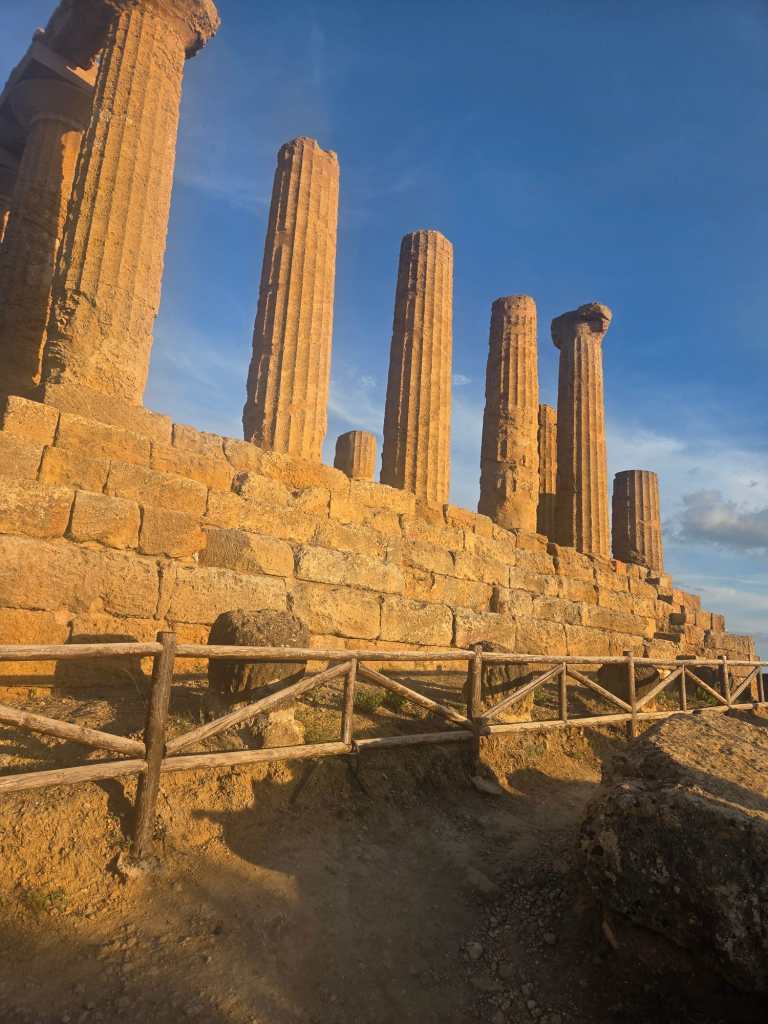
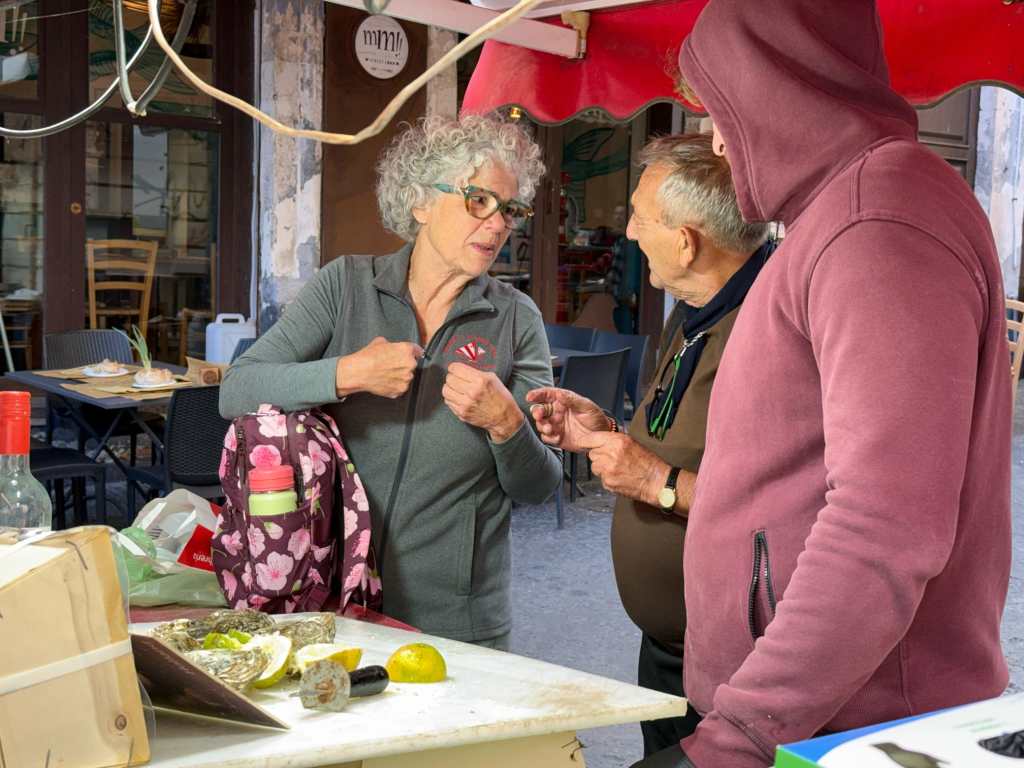
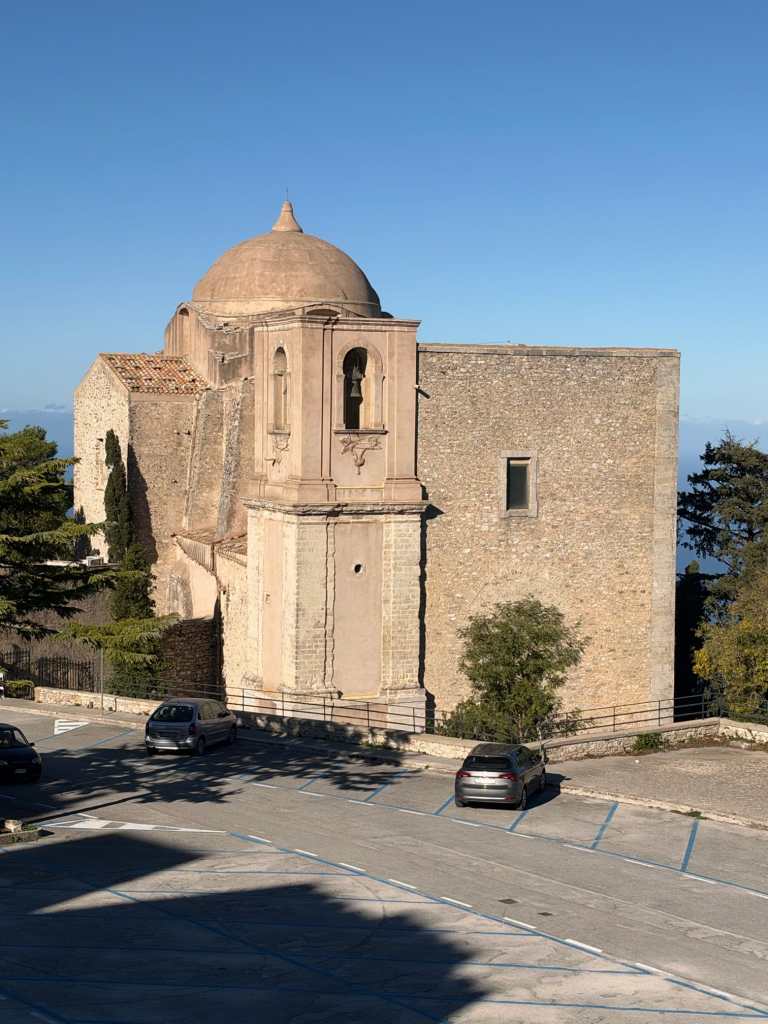
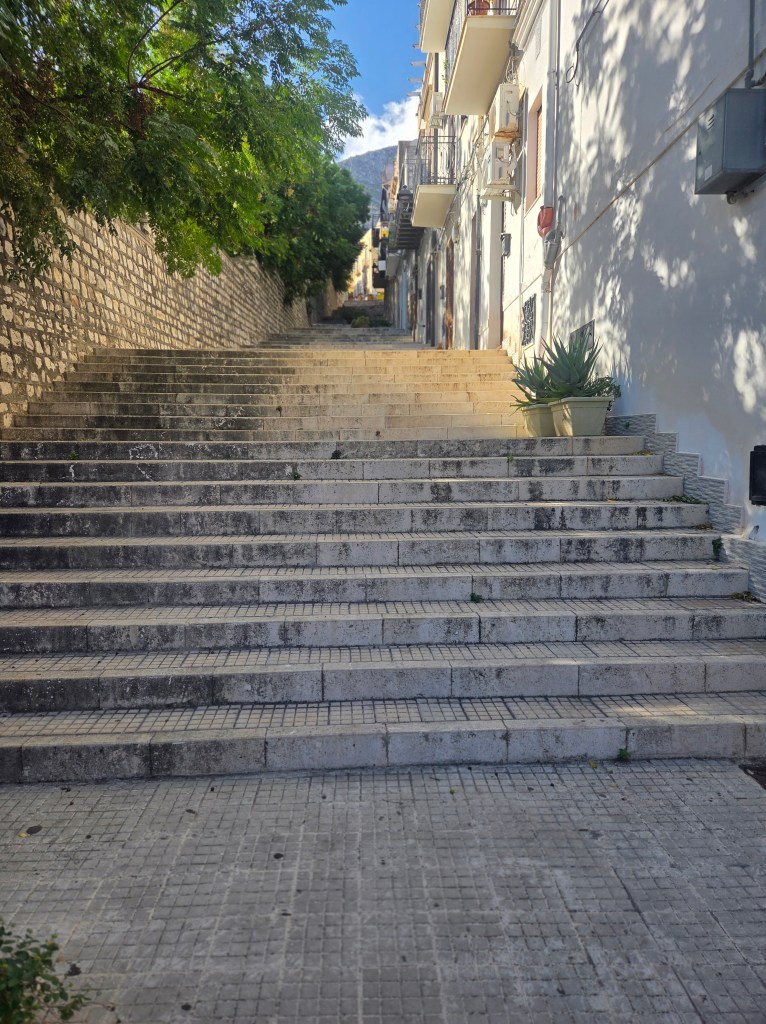
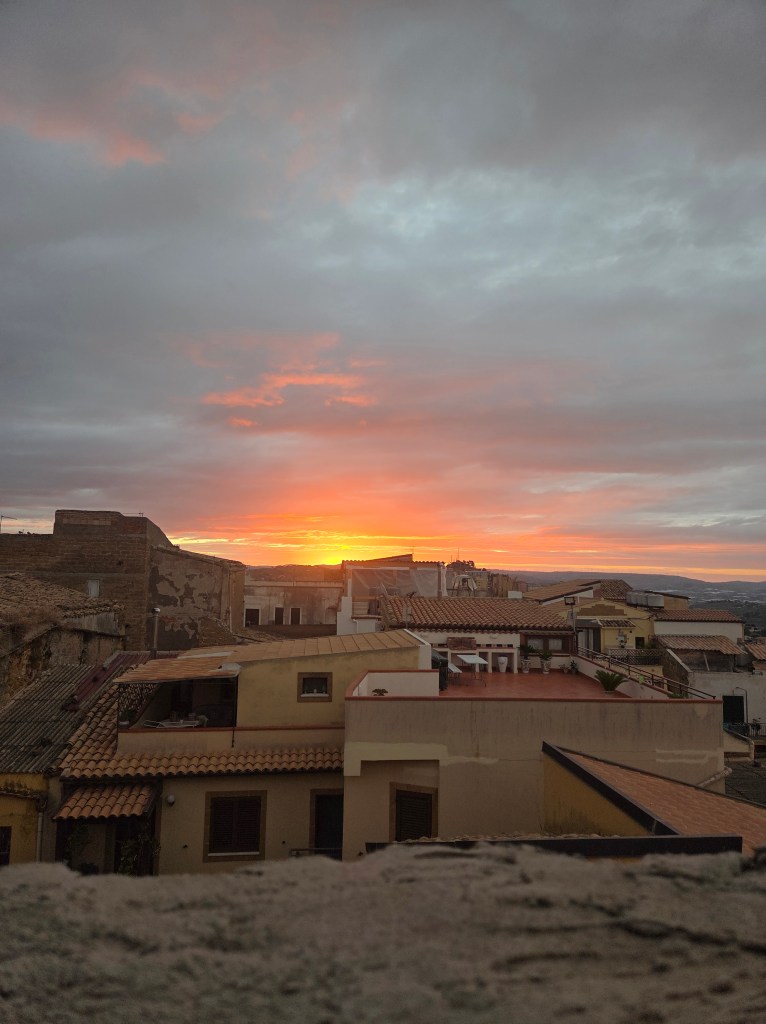
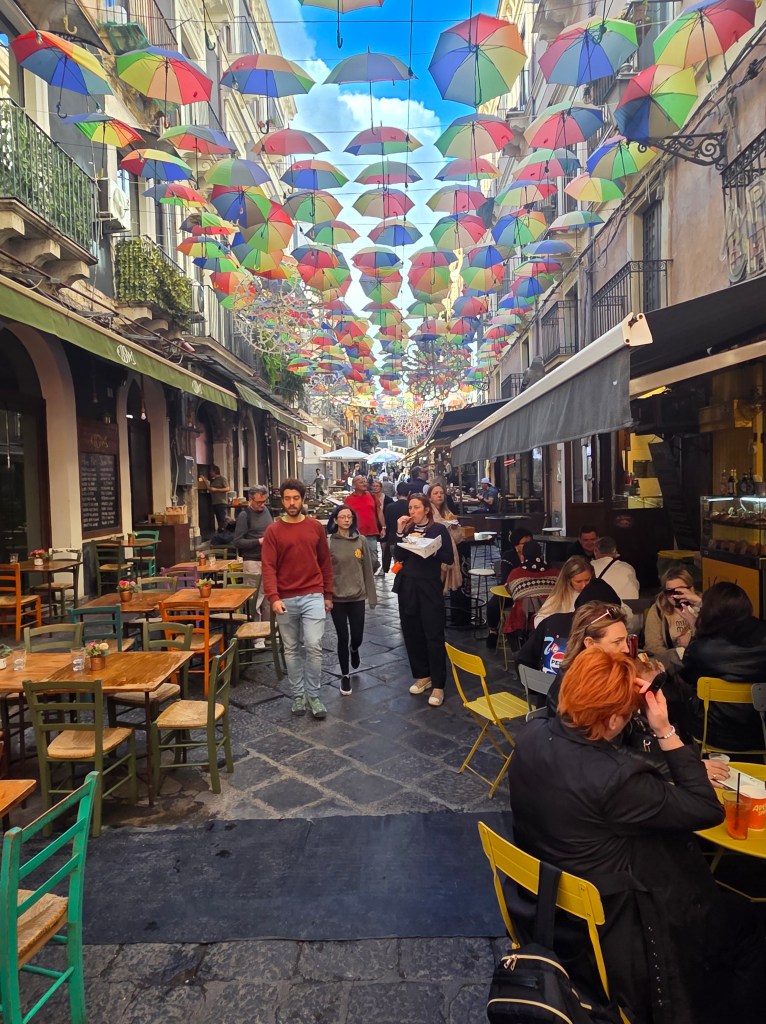
So my writing continues to evolve as I learn about Sicily and my characters who lived in the time and place. My camera captured the scenery. My aching legs caught the physicality. I hope my words will tie it all together so that my readers may experience the beauty of Sicily and the lore of The Eyes of the Strega.
Have you schemed…err planned trips around your writing goals. Share your field trips adventures.



I am writing a magical realism novella series. The Eyes of the Strega, is inspired by Sicily’s rich history and my mysterious ancestor, Margherita, whose story has been passed down through generations.


Hi Antoinette,
What an adventure for you! Loved your post.
Lee
Lee Y. Miao leeymiao.com
>
LikeLike